








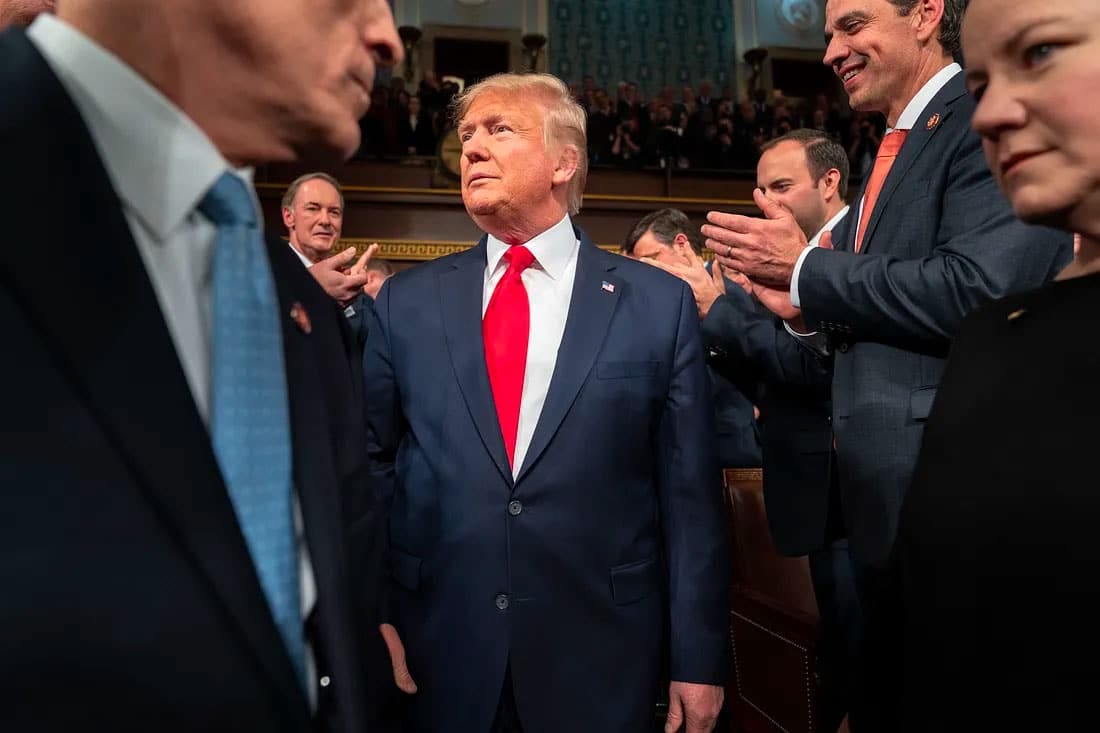
The recent government shutdown ended after 15 days, affecting millions of Americans and causing many federal workers to work without pay. The shutdown was the longest in U.S. history and showed how political disagreements can impact the country. On the night of November 14, 2025, Congress passed a bill to reopen the government and provide funding through December 15. This bill was signed into law by President Donald J Trump, ending the shutdown.
The shutdown began because lawmakers couldn’t agree on how to fund the government. The main issues included disagreements over spending levels and specific policies. The bill passed with a vote of 314 to 117 in the House of Representatives and 71 to 23 in the Senate, showing a mix of support from both parties. Despite the bill passing, some lawmakers opposed it.
Representative Lauren Boebert said, “This is a bad deal for the American people,” showing that not everyone was happy with the compromise.
One important part of the bill was that it included funding for the Supplemental Nutrition Assistance Program also called SNAP, which provides food assistance to millions of low-income Americans. This was a key concern during the shutdown because many families rely on this program. The bill also protected federal employees who had worked without pay during the shutdown, ensuring they would receive back pay.
“We were coming up anyway and unfortunately the Capitol and the government was closed up until last night,” Rusty Doggett said. “We got here and it was a ghost town. Cab driver had been waiting three hours for me. He had two jobs the whole day. So it’s not just affected SNAP and TSA and air traffic controllers but the whole city of Washington, D.C., as well as America was punished, and I’m just glad that we’re opened back up.”
President Trump expressed relief and hope after signing the bill, saying, “This is a win for the American people.” He emphasized that ending the shutdown was necessary to keep government services running and support families across the country.
However, not all issues were resolved. The bill only funds the government temporarily, meaning lawmakers will need to talk again soon. One unresolved topic is the subsidies that help people afford health insurance under the Affordable Care Act. Republicans want to end these subsidies, while Democrats want to keep them. This disagreement will likely cause more debates in the near future.
The shutdown had a big impact on many Americans. Federal workers faced uncertainty and financial stress, and government services were delayed or stopped. Businesses that rely on government contracts also faced challenges. Ending the shutdown was important to restore normal government operations and reduce the hardships caused by the closure.
“What we have to make sure of now is that the health care fight lives outside of the appropriations process and doesn’t depend entirely on the government being shut down,” Democratic Sen.
The bill passed with support but still faced opposition, reflecting the political divisions in the country. Funding for important programs like SNAP and protections for federal workers were included, but some issues remain unresolved. The shutdown’s end brings relief but reminds us that future negotiations will be necessary to keep the government running smoothly.